


 305-204-5000
 CALL US NOW
 EMAIL US NOW

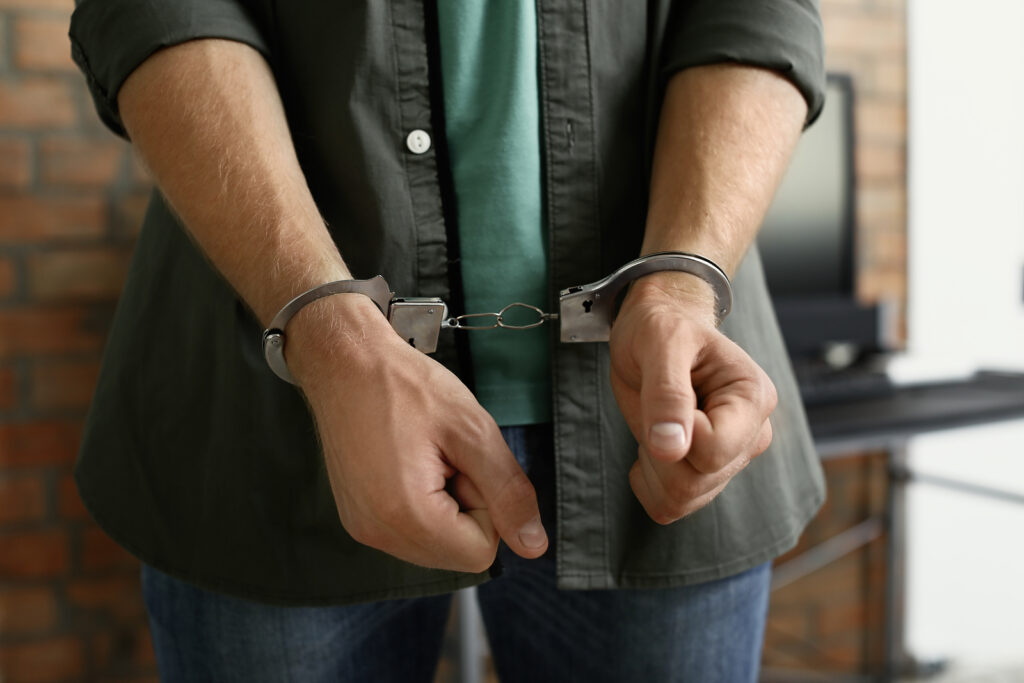
An arrest can happen quickly, and the decisions you make in the first few minutes can affect your case long before you step into a courtroom. Whether you were stopped during a traffic stop, arrested after an argument, or taken into custody on an outstanding warrant, it is important to stay calm and avoid making the situation worse.
One of the biggest mistakes people make after an arrest is trying to explain themselves to police. Others panic, argue with officers, or wait too long to contact a defense attorney. If you are arrested in Miami or anywhere in South Florida, protecting your rights should be your first priority.
This guide explains what to do after an arrest, what to avoid, and when to contact a criminal defense attorney.
Stay Calm and Do Not Resist Arrest
Even if you believe the arrest is unfair or based on false information, resisting can lead to additional criminal charges. Florida law allows prosecutors to file separate charges for resisting an officer, even when the original arrest is later challenged in court.
During an arrest:
- Keep your hands visible
- Follow instructions from law enforcement
- Avoid sudden movements
- Do not argue or become confrontational
- Do not attempt to flee
The roadside or booking area is not the place to challenge the legality of the arrest. A defense attorney can review whether your rights were violated and determine whether the arrest or evidence can be challenged later.
Use Your Right to Remain Silent
After an arrest, officers may continue asking questions even if the conversation seems informal. Many people believe cooperating will help clear things up, but statements made during or after an arrest are often used later by prosecutors.
You are not required to answer questions about where you were, what happened, or who you were with.
Instead, clearly state:
“I am exercising my right to remain silent and I want to speak with an attorney.”
After that, stop answering questions.
You may still need to provide basic identifying information, but you do not have to discuss the allegations against you without legal counsel present.
Do Not Consent to Searches
If officers ask to search your vehicle, phone, home, or personal belongings, you have the right to refuse consent in many situations.
You can simply say:
“I do not consent to any searches.”
This does not mean officers will stop searching. In some situations, law enforcement may still conduct a search based on a warrant, probable cause, or other legal exceptions. However, refusing consent may preserve important legal arguments for your defense attorney later.
Never physically resist a search, even if you believe it is unlawful.
What Happens After an Arrest in Miami
After an arrest, you will usually be transported to a detention facility for booking. In Miami-Dade County, many arrests are processed through Turner Guilford Knight Correctional Center (TGK).
The booking process may include:
- Fingerprinting and photographs
- Collection of personal information
- Property inventory
- Medical screening
- Entry into the jail system
Depending on the circumstances, booking can take several hours or longer.
In most cases, you will appear before a judge within 24 hours for a first appearance hearing. During that hearing, the judge reviews the charges, determines whether probable cause exists, and addresses bond conditions.
Understanding Bond in Florida
Many people arrested in Florida are eligible for bond, which allows release from custody while the case is pending.
Bond may include:
- Cash bond
- Surety bond through a bail bondsman
- Release on recognizance (ROR)
- Pretrial release with conditions
The amount of bond depends on factors such as:
- The severity of the charges
- Criminal history
- Flight risk
- Community ties
- Whether the offense involved violence
Having a defense attorney involved early can help during bond hearings, especially in cases where prosecutors are requesting high bond amounts or restrictive release conditions.
Contact a Criminal Defense Attorney Immediately
One of the most important things you can do after an arrest is speak with a criminal defense attorney as soon as possible.
Early legal representation can help:
- Protect your constitutional rights
- Prevent damaging statements to police
- Preserve surveillance footage or other evidence
- Identify weaknesses in the prosecution’s case
- Address bond and release issues quickly
Waiting too long to hire a defense attorney can make a case harder to defend. Witnesses become difficult to locate, evidence may disappear, and prosecutors begin building their case immediately.
If you have been arrested in Miami, working with an experienced defense attorney who understands the local courts, prosecutors, and procedures can make a significant difference.
Common Mistakes to Avoid After an Arrest
Talking About Your Case
Do not discuss your case with police, other inmates, friends, or on social media. Prosecutors routinely review text messages, posts, and recorded jail calls.
Posting on Social Media
Avoid posting anything related to your arrest or charges online. Even indirect comments or jokes can later be used against you.
Contacting an Alleged Victim
In cases involving domestic violence, assault, or harassment allegations, contacting the alleged victim may violate bond conditions or lead to additional charges.
Missing Court Dates
Missing a required court appearance can result in a warrant for your arrest and additional legal problems.
Waiting Too Long to Hire an Attorney
The earlier a defense attorney gets involved, the more opportunities there may be to protect your rights and challenge the prosecution’s case.
What Happens After You Are Released
Being released from jail does not mean the case is over. After an arrest, your case may proceed through several stages, including:
Arraignment
At arraignment, the court formally advises you of the charges and a plea is entered.
Discovery
Your attorney receives evidence from prosecutors, including police reports, witness statements, videos, and other materials related to the case.
Pretrial Motions
Your defense attorney may challenge evidence, question the legality of searches or arrests, or seek dismissal of certain charges.
Negotiations or Trial
Some cases resolve through negotiated agreements, while others proceed to trial depending on the facts and available defenses.
Frequently Asked Questions
Should I Talk to the Police if I Am Innocent?
No. Even truthful statements can be misunderstood, misquoted, or used against you later. It is usually best to remain silent and speak with a defense attorney first.
How Long Can Police Hold You After an Arrest?
In Florida, you generally must appear before a judge within 24 hours of your arrest.
Can an Arrest Stay on Your Record if Charges Are Dropped?
Yes. In some situations, you may later qualify to seal or expunge your criminal record under Florida law.
What Is the Difference Between a Misdemeanor and a Felony?
Misdemeanors are generally less serious offenses punishable by up to one year in county jail. Felonies carry more serious penalties, including potential prison time.
Speak With Piotrowski Law After an Arrest in Miami
If you or a loved one has been arrested in Miami-Dade County, Broward County, or Palm Beach County, it is important to act quickly. The decisions made immediately after an arrest can affect your case for months or even years.
Piotrowski Law represents clients throughout South Florida in misdemeanor and felony criminal cases, including DUI charges, drug offenses, domestic violence allegations, assault charges, theft crimes, and violent offenses. As a former prosecutor, Chad Piotrowski understands how the State builds criminal cases and how to identify weaknesses in the prosecution’s evidence.
The sooner you contact a defense attorney, the sooner your legal team can begin protecting your rights, preserving evidence, and preparing your defense.
Call Piotrowski Law today at (305) 204-5000 for a free consultation.




 Open: 24 Hours

 Fax: 305.204.6000