


 305-204-5000
 CALL US NOW
 EMAIL US NOW

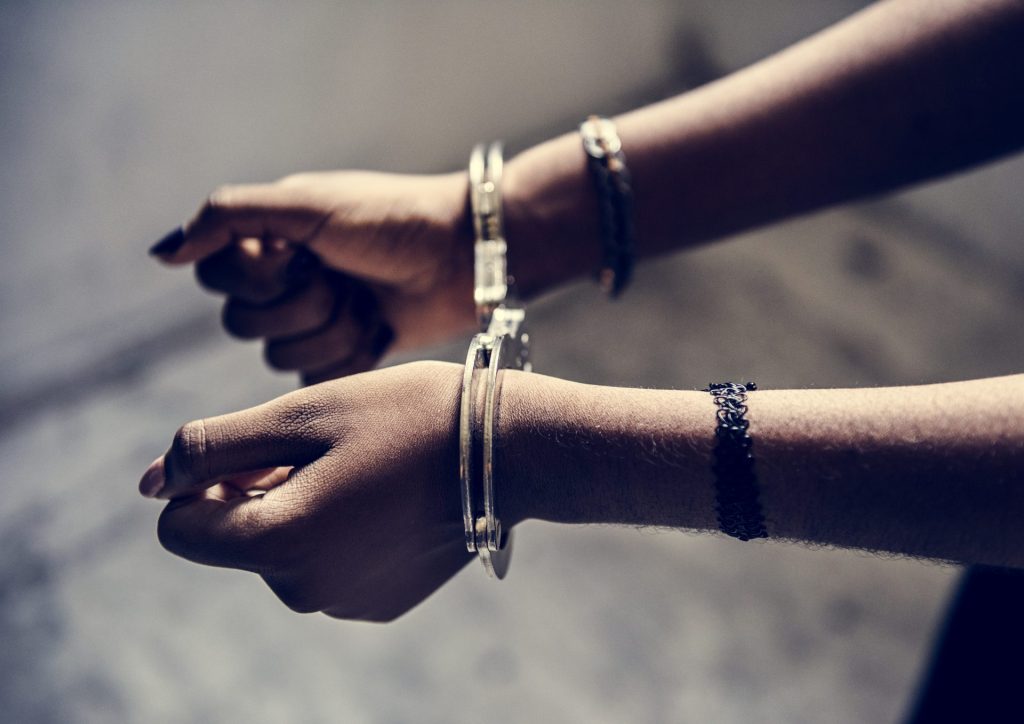
Below are five of the most serious mistakes that people often make after being arrested that can negatively affect their case before they have time to seek legal guidance from a skilled lawyer.
Key Takeaways
- All calls from a Palm Beach County facility will be recorded and could be used immediately as evidence of guilt.
- Even on a personal Facebook page, social media activity can be a treasure trove for prosecutors seeking behavioral evidence or discrepancies.
- Even if you intend only to contact a victim or witness, any such contact may result in third-degree felony charges.
- This could lead to more charges of tampering with evidence if evidence is deleted after an incident or discarded.
- This is the most important time for a lawyer to play a role in mitigating the consequences of the situation.
The hours after an arrest in Palm Beach can be the most important hours of your life. Things can go wrong here, resulting in inadvertent breaches that could harm your defense. Knowing what to do to protect yourself before you get a lawyer on board is crucial to your legal case.
Talking to Family and Friends from Jail Phones: Recording Inmate Communications at the Palm Beach County Jail
It’s best to hire an experienced defense attorney in West Palm Beach after an arrest to ensure that your rights are properly protected. The most common error is made in the first couple of hours of detention at the Main Jail or West Detention Center. When people get arrested, one of their first thoughts is to call a spouse, parent, or friend to explain what has happened. It is important to note, however, that all calls from any Palm Beach County corrections center, other than those to a verified attorney, are logged and tracked by law enforcement authorities.
Defendants often make recorded statements in the course of a case, and the prosecutor and investigators regularly listen to them for statements of acceptance of guilt, inconsistencies in the defendant’s account, or names of other witnesses that they have not yet spoken to. You may be able to decipher coded language or an ambiguous reference to an incident and present it as evidence against you in court. Numerous defendants feel that if they don’t “confess,” the call is secure. A simple apology or a small favor like “take care of something” for someone can actually be interpreted as awareness of guilt. You should only discuss the specifics of your case with your lawyer until you have met with them for counseling.
Posting on Social Media Platforms: Digital Footprints and Prosecution Strategies
Prosecutors can track digital footprints, so it is important to reach out to a defense lawyer in West Palm Beach before you encounter any unwarranted legal issues as a result of your online activity. When it comes to posting something right away, there are plenty of people who feel the need to protect their good name following an accusation or arrest online. Telling your side of the story on Facebook via “status update” or posting a picture on Instagram to show where you are can be disastrous.
Increasingly, social media evidence is being used in Florida criminal trials. Records can be obtained by a prosecution on behalf of the government regardless of how the account is set to “private” on Meta, X (Twitter), or TikTok. In addition, your “friends” or “followers” can be interviewed by police, or your “friends” might give screenshots of your posts to the State Attorney’s Office. The photographs of you at a particular place, dressed in certain clothes, or around certain people, can be the “link” that a prosecutor’s story needs. It’s best to suspend your accounts or stop posting until your lawyers are able to give you a clear set of guidelines about online behavior.
Reaching Out to the Complaining Witness: Understanding Florida Statute 914.22 and Witness Tampering
In a dispute with an accuser—like a domestic quarrel or even between friends—it is a natural impulse to “smooth things over.” You may think that if you can tell the person what happened or apologize, the other person will “forget” to press charges. But in Florida, it is not the victim that makes the decision if a case will move forward, but rather the state attorney. One of the riskiest things a defendant can do is try to contact a complaining witness.
Tampering with a witness, victim, or informant in Florida is a serious charge according to § 914.22 of the Florida Statutes. If you reach out to the accuser, the prosecutor can contend that you were trying to “induce” this person not to testify or to give false testimony. This can make a minor infraction a third-degree felony. Also, the majority of arrests in West Palm Beach are accompanied by an automatic “no contact” order. If you send a text message, call, or even have someone else send a text on your behalf, you could have your bond revoked, and you’ll be sent back to jail until your trial date.
Destroying Potential Evidence: Penalties under Florida Statute 918.13
When people realize they are under investigation, fear or panic may come into their minds. This panic might result in having cell phones “cleansed,” the removal of text messages, or the destruction of a physical object from the incident. This may seem like “cleaning up,” but the law considers “cleaning up” to be a distinct and harsh crime. Tampering with or fabrication of physical evidence is considered a third-degree felony in Florida (918.13).
Prosecution does not have to show that the material you destroyed was going to help convict you, only that you altered or removed the material intentionally to make it less available for an investigation. Today, investigators can retrieve deleted messages and trace GPS data long after you may think that it’s been deleted. If a jury becomes aware of your destruction of evidence, the judge may issue a “jury instruction” that will let the jury assume that the destroyed evidence was unfavorable to you. Remember to keep all possible evidence and report it to your team of lawyers for a controlled and protected review.
Delaying Legal Representation: The Importance of the Pre-File Investigation Phase
The State of Florida has one of its greatest assets: the “head start. The police and the State Attorney’s Office are working on a case from the time it is reported. Most individuals don’t get an experienced professional until they are booked on their initial court date or until they receive a formal charge. This is a strategic blunder. There is a period of time in Florida between arrest and formal charges filed that is referred to as the “pre-file” stage.
At this time, a defense attorney can introduce “mitigating” evidence to the prosecutor or show the prosecutor the inadequacies of the police report or that the case is not strong enough to proceed. The prosecutor’s initial filing decision may be made weeks or months after the case is filed, and cannot be influenced by waiting that long. A misdemeanor, a felony, or no charges at all can all be the result of an early intervention. When you get a court notice in the mail, the prosecutor has already put together their case.
You need to take damage control measures proactively to maintain your legal options and future. Don’t let the prosecution piece together its case when you’re being charged. Talk to a West Palm Beach defense lawyer as soon as possible to protect your defense.



 Open: 24 Hours

 Fax: 305.204.6000